

Artificial Intelligence (AI), as well as Data Science, is significantly revolutionizing the finance industry worldwide. There is a gradual shift in the finance sector from decision-making based on human intuition to data-driven decision-making. Today, finance institutions create, manage, and analyse enormous data, including transaction data, market trends, as well as customer behaviour patterns. AI is responsible for turning this data into useful knowledge, which makes finance systems faster, smarter, as well as stronger.
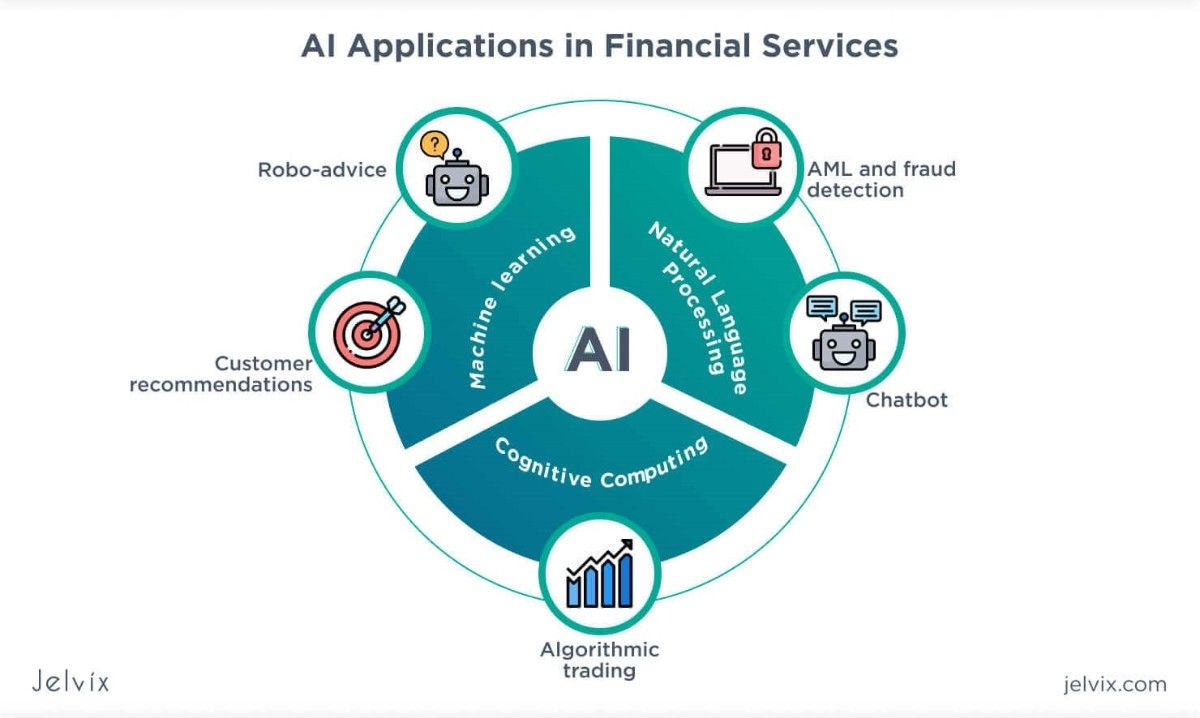
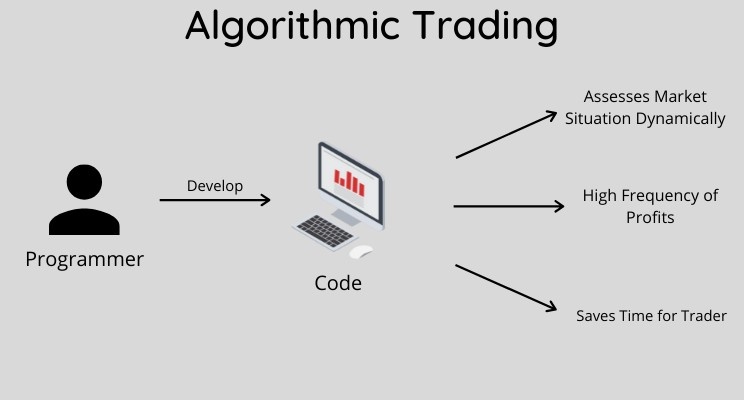
The impact on the management and execution of investments is apparent. The machine learning algorithms analyse market behaviours, news sentiments, and market history. They optimize the portfolios and execute algorithmic trades extremely efficiently. The results are less prone to human error and market inefficiencies. The effect on risk management is profound. The AI models are able to pick up the earliest warning signs of credit risk, liquidity risk, and market risk. This enables them to take proactive measures against it.
Data science has innovated credit assessment in the fields of banking and lending. Traditional credit scoring, with limited financial history, often meant large sections of the population were excluded. AI-enabled alternative credit models assess cash flows and behavioural data, improving the accuracy of loans while supporting financial inclusion. The second big beneficiary is fraud detection: AI systems monitor millions of transactions in real time, detecting anomalies far more effectively than rule-based systems can.
AI also increasingly endorses the role of regulatory compliance and operations. NLP empowers banks to interpret complex regulations, automate reporting, and firm up AML controls. According to McKinsey & Company, AI might create hundreds of billions of dollars annually in value for the banking sector through efficiency gains and better decision-making.
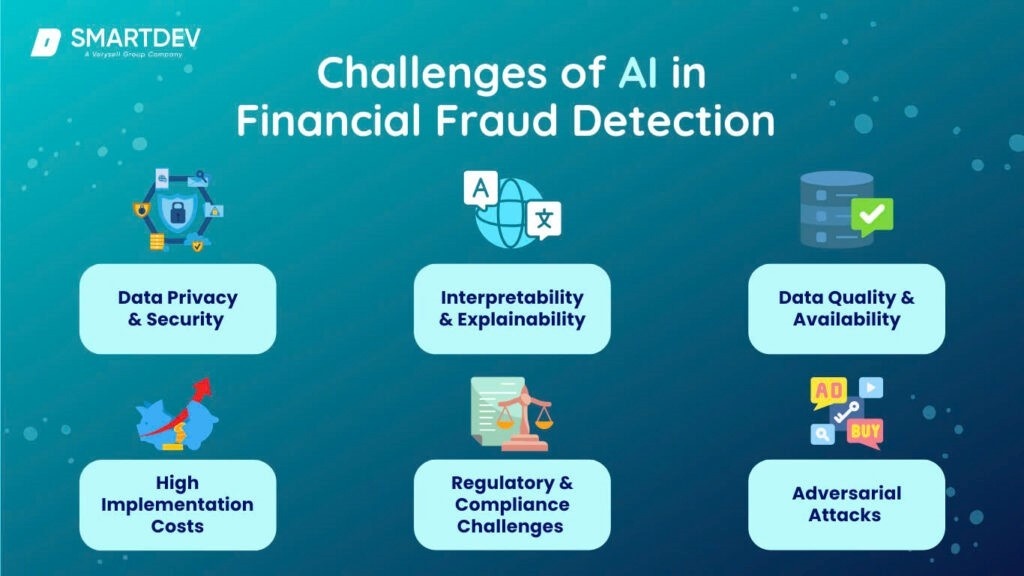
Nevertheless, there are still challenges. Concerns over data privacy, algorithmic bias, and explainability have driven regulators such as the Bank for International Settlements and International Monetary Fund to stress responsible and transparent use of AI.
The winning edge in finance in the future will be determined by how well institutions can combine innovation in AI with strong governance, ethics, and human oversight.
- What’s changing: AI and data science transform finance into better predictive capabilities, automation, personalization, and risk control.
- Where impact is higher, it would involve trading, credit underwriting, fraud detection, risk management, compliance, and customer service.
- Why it matters: Quicker decisions, less cost, higher accuracy, and increased financial inclusion.
- Key risks include model bias, lack of explainability, data privacy concerns, and systemic risk.
- Future state: Finance will move away from rule-based systems to AI-enabled decision ecosystems; evidence-based, and regulated for explainability.
1. Investment Management & Trading
AI models analyse the market data, news, satellite information, and sentiment to:
- Forecast asset prices and volatility
- Optimize portfolio allocation
- Perform algorithmic and high-frequency trades
Impact:
- Reduced human bias
- Improving the execution speed as well as liquidity
- More adaptive strategies during market stress
Evidence:
According to the Bank for International Settlements, machine learning models outperform traditional models under non-linear market conditions.
2. Credit Risk & Lending
The traditional credit scoring system relies on limited financial history. AI utilizes:
- Transaction data
- Cash flow
Alternative data
The term “alternative
Impact:
- Improved default prediction
THE ADDED BENEFITS
- Better credit accessibility for MSMEs and subprime clients
Evidence:
World Bank:
Freundlieb & Ohmann emphasize the importance of emerging market institutions in the development of the AI technology sector, including the promotion of the use of AI in
3. Fraud Detection & Cybersecurity
Machine learning models are able to identify real-time anomalies through the learning of “normal” patterns of behavior.
Impact:
- Reduce fraud losses
- Each test yields
- Priority-based processing in real-time
Evidence:
According to the International Monetary Fund, AI-based fraud models perform much more effectively compared to rule-based systems, particularly in the case of online payments.
4. Risk Management and Stress Testing
AI enhances:
- Early warning
- Scenario analysis
- Modelling of liquidity and market risk
Impact:
- Early detection of systemic risk
- Improved capital allocation
- More dynamic stress testing
Evidence:
The European Central Bank reports that AI can improve forward-looking risk assessment in conjunction with traditional approaches.
5. Compliance, Regulation & RegTech
Natural Language Processing (NLP) assists institutions in:
- Read and interpret regulations
- Transaction monitoring for AML/K
- Automate regulatory reporting
Impact:
- Lower compliance costs
- Decrease in regulatory
- Quick reaction to changes in the rules
Evidence:
Financial Stability Board identifies RegTech as a critical component in dealing with the increasing complexity of regulation.
6. Customer Experience & Personalization
AI-powered chat bots and recommendation systems:
- Provide customer support around the clock
- Personalized financial services
- Increase customer retention and cross-s
Impact
- Increased customer satisfaction
- Lower servicing costs
Evidence: A value of $300-400 billion a year may be realized in the banking sector through the application of AI.
7. Risks & Ethical Challenges
Key concerns include:
- Black-box models (lack of explainability)
- Bias in training data
- Data privacy and security
- Model risk and over-reliance on automation
Regulatory Response:
Global regulators now emphasize:
- Explainable AI (XAI)
- Human-in-the-loop decision-making
- Strong data governance frameworks
Sources
- Bank for International Settlements (BIS) – Artificial intelligence and machine learning in financial services https://www.bis.org
- International Monetary Fund (IMF) – AI in Finance: Opportunities and Risks https://www.imf.org
- World Economic Forum (WEF) – The New Physics of Financial Services https://www.weforum.org
- McKinsey & Company – The State of AI in Financial Services https://www.mckinsey.com
- World Bank – Financial Consumer Protection and AI https://www.worldbank.org
- Financial Stability Board (FSB) – AI and Financial Stability https://www.fsb.org